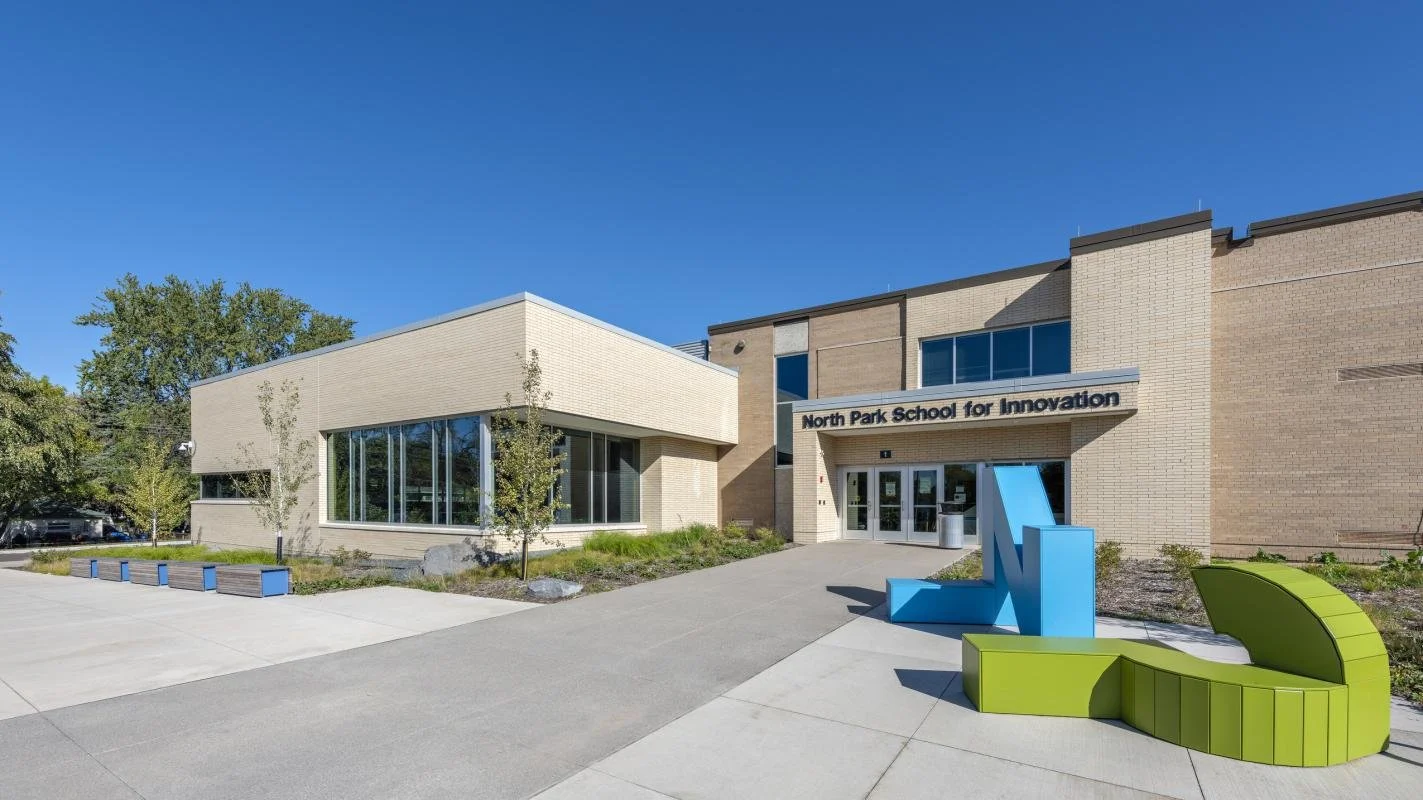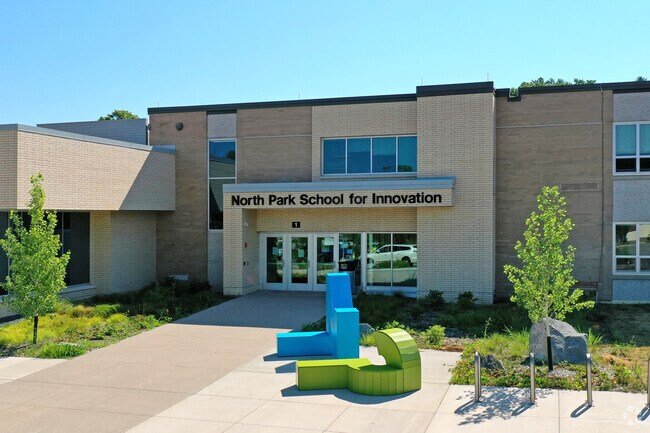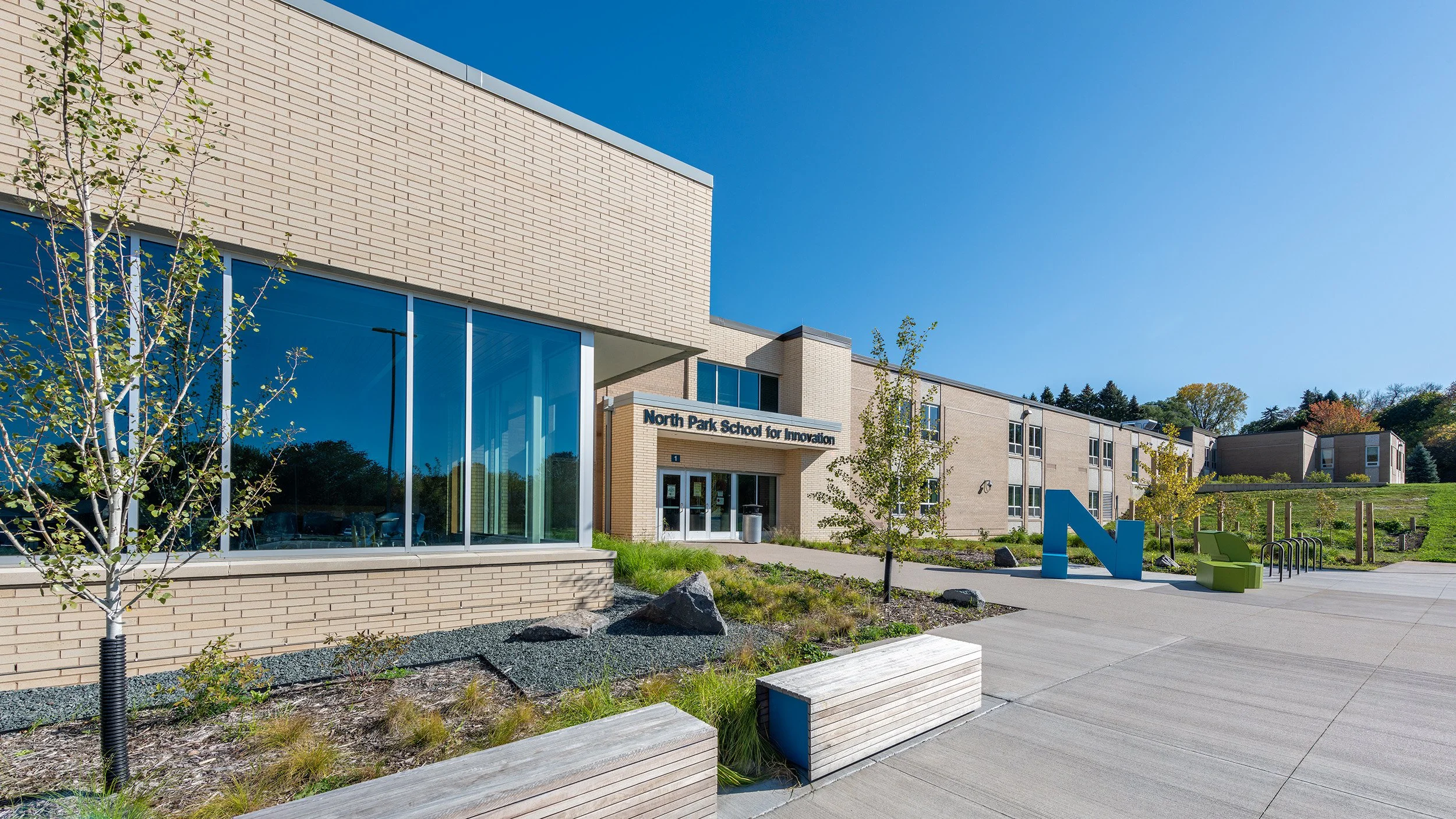
North Park School for Innovation
Fridley, Minnesota
Client: Columbia Heights Public Schools
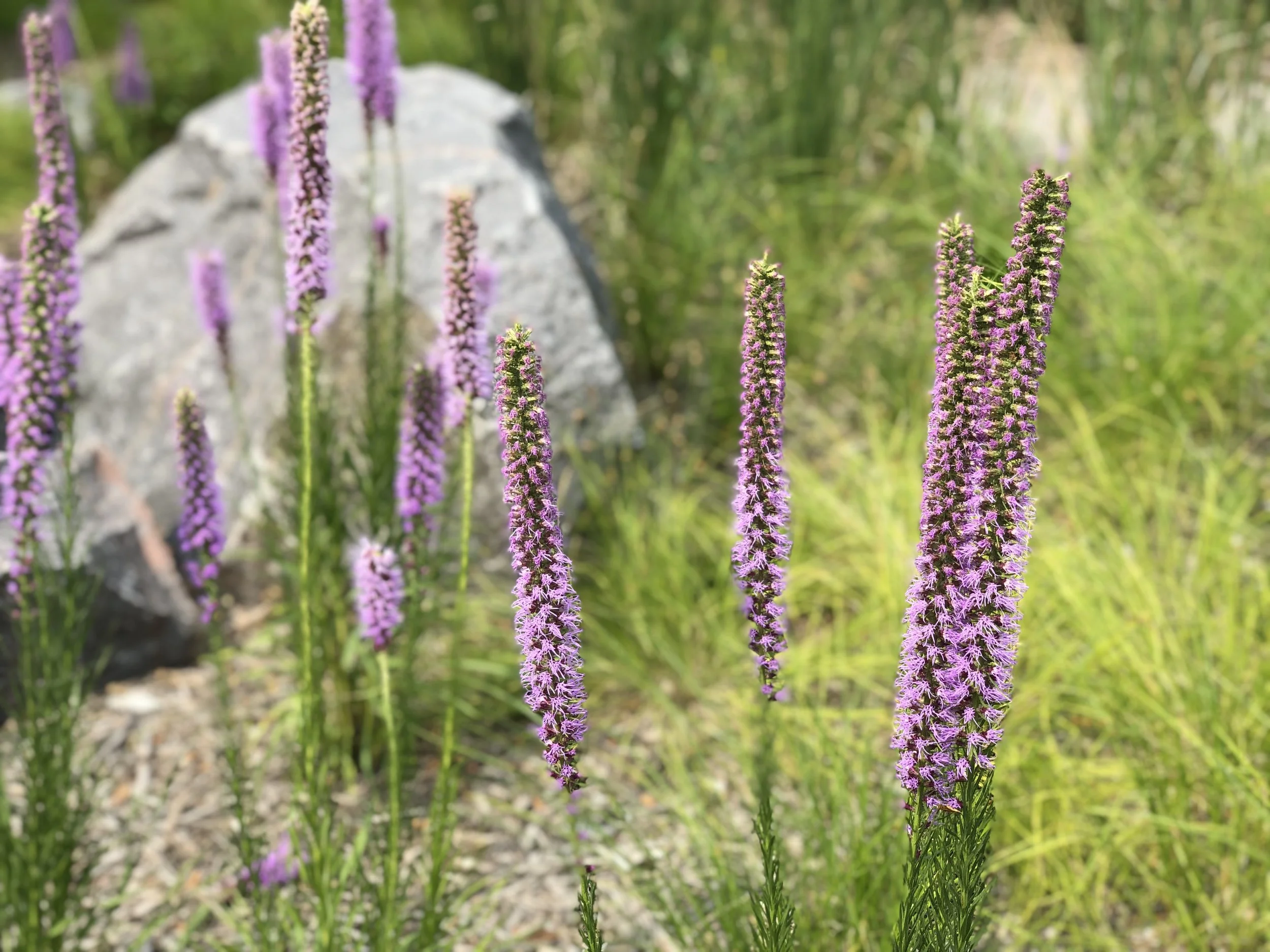
“Getting the award has been such an honor; however, the real excitement is shown in the students’ faces when they see a butterfly, bird, or bee visiting the habitat that they created!”
Mr. Wes Nugteren, the school district’s agricultural specialist.

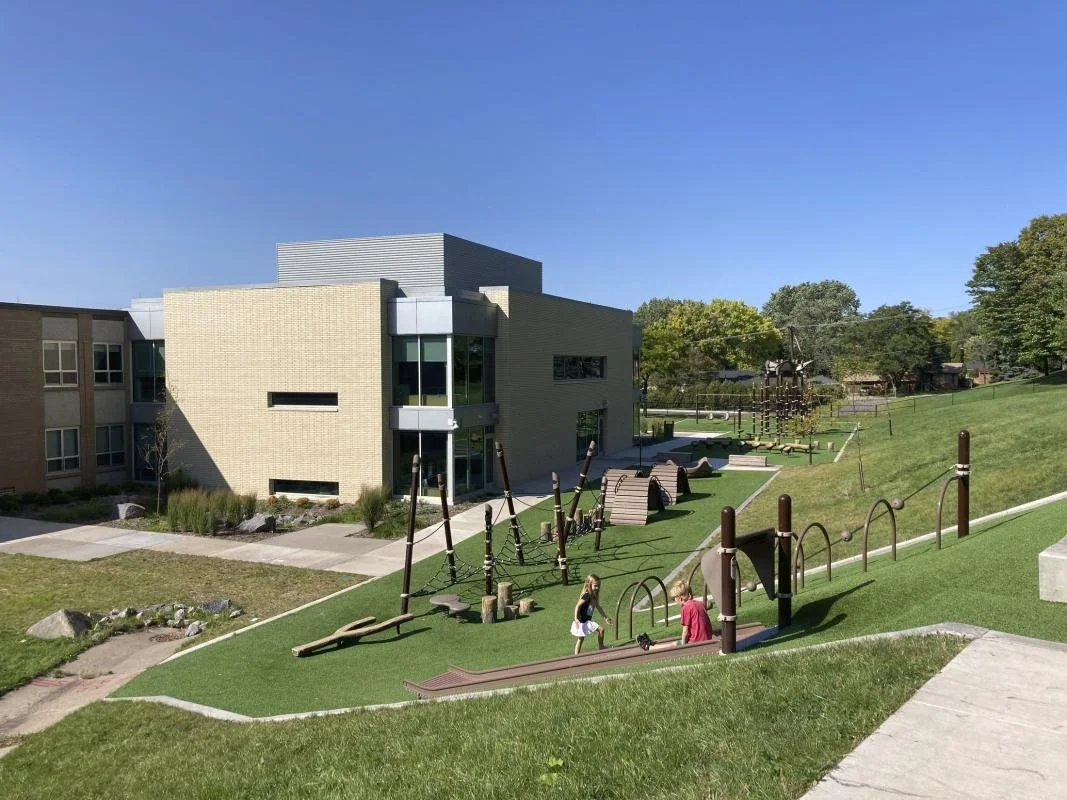
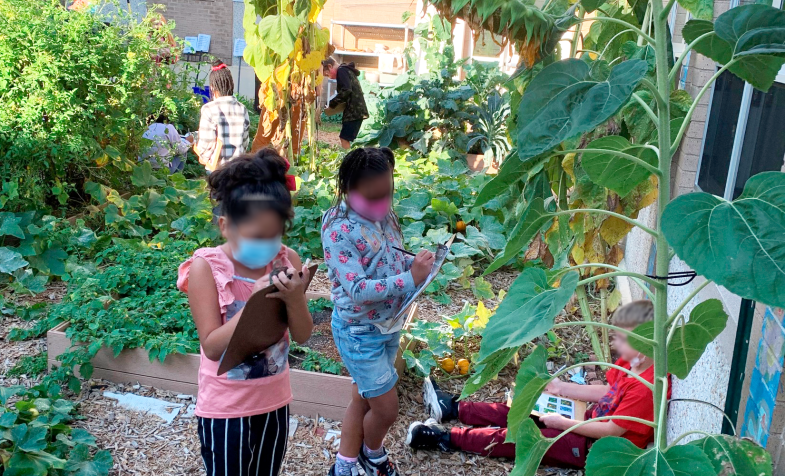
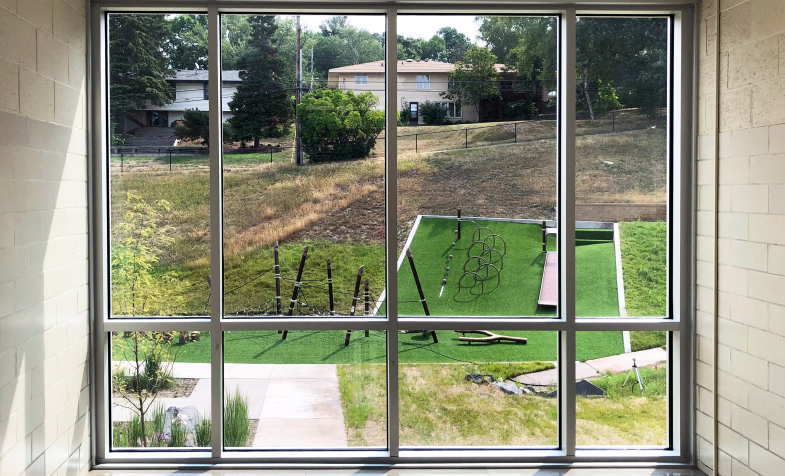
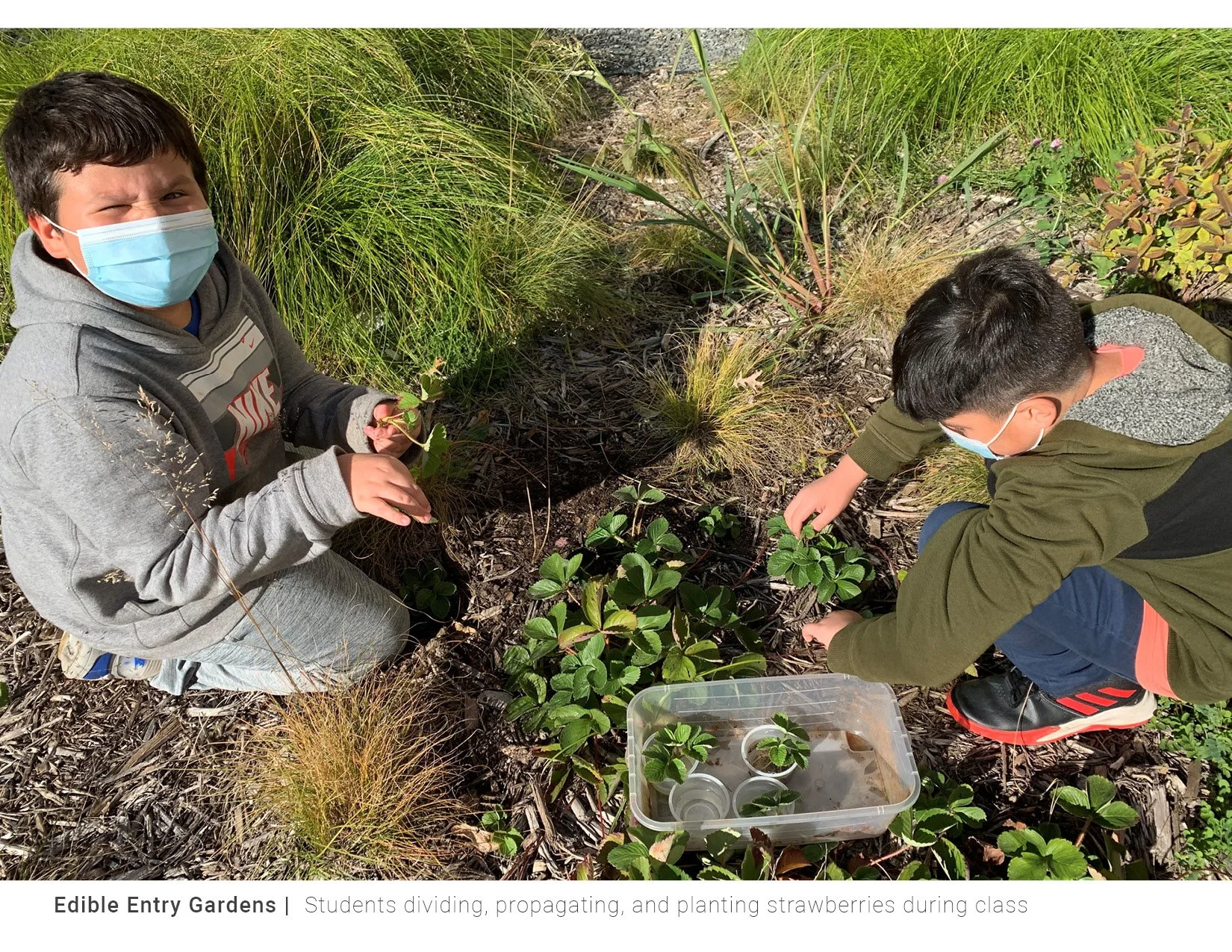
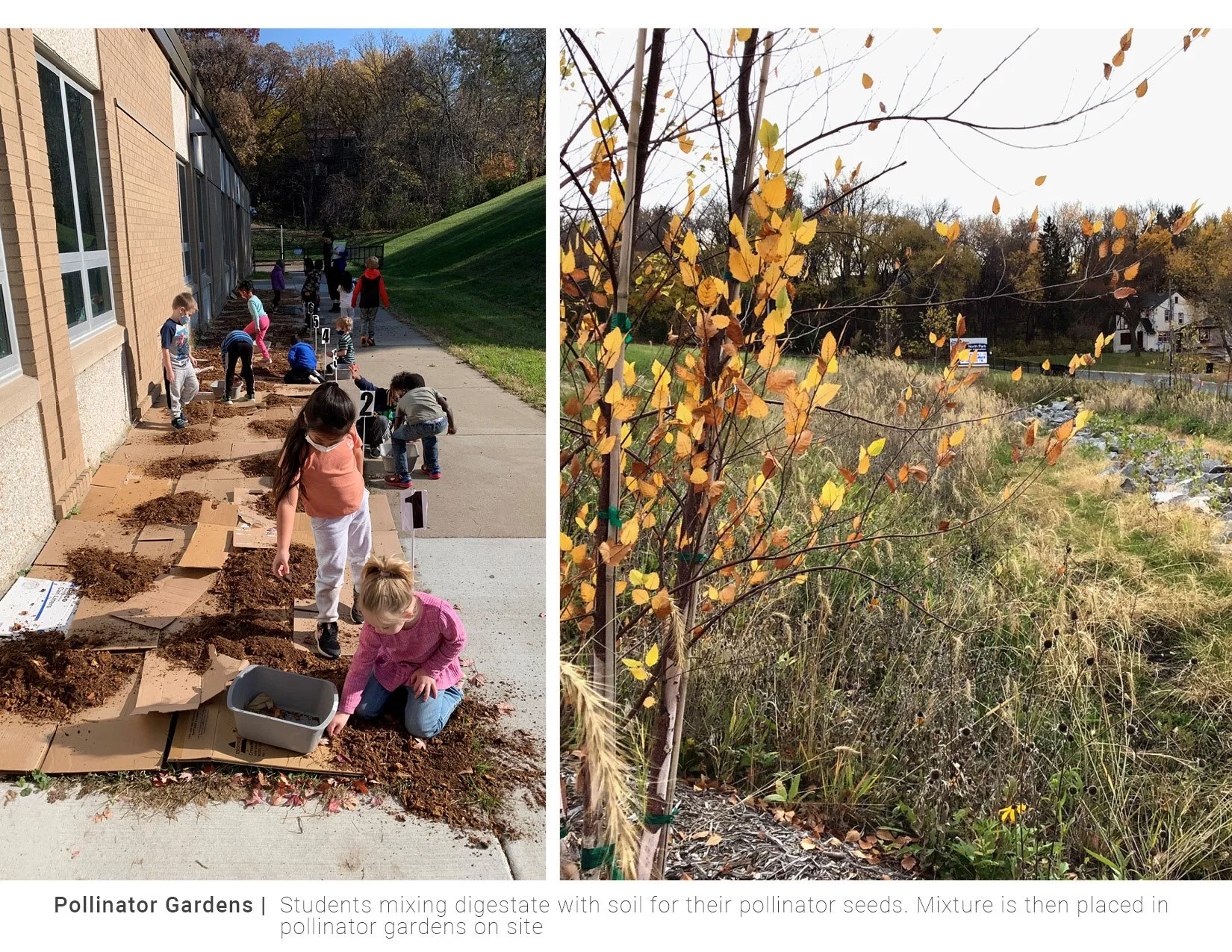
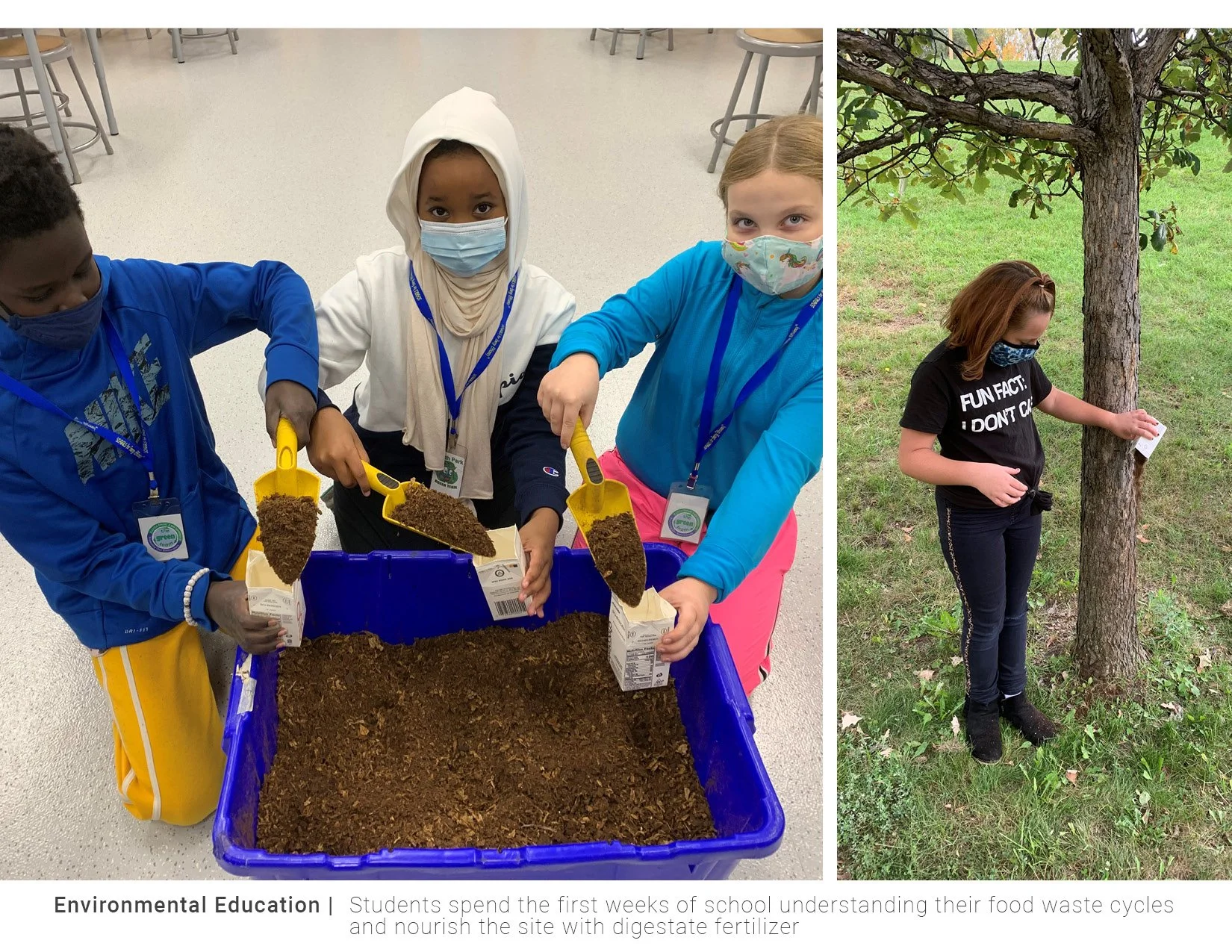
The project site improvements focused primarily on promoting exploration of natural ecosystems and emphasizing students’ positive impact on the natural environment. The project connects students to natural systems and teaches environmental stewardship, thereby engaging learners in the changing climate and environmental challenges they will be called upon to address throughout their lives.
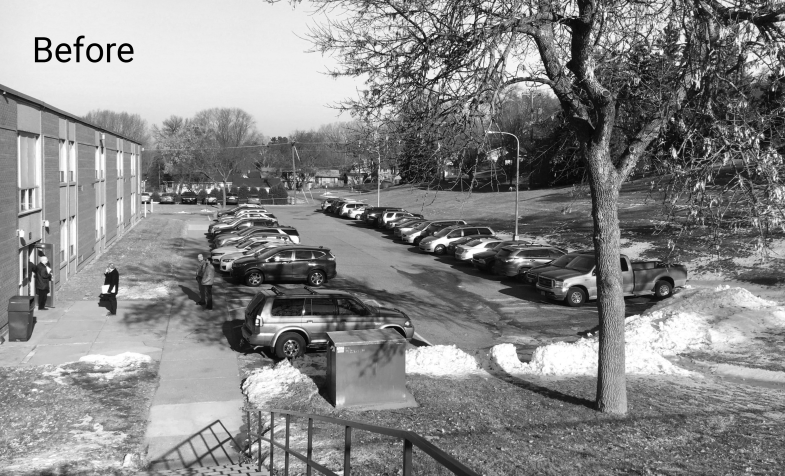
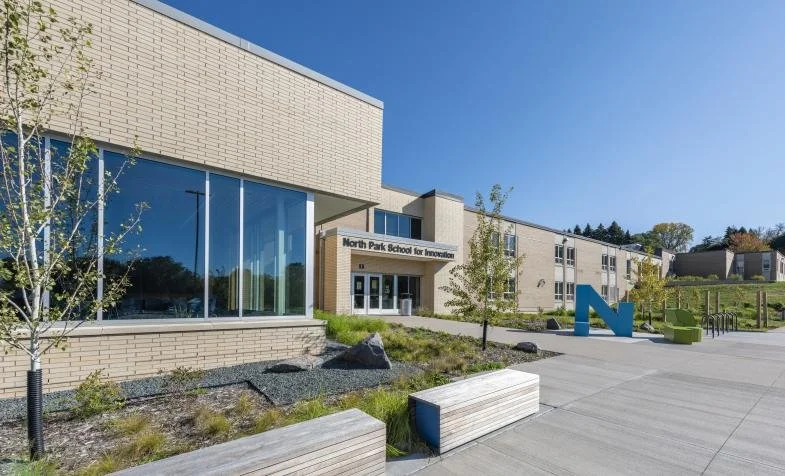
The majority of the site’s impervious surfaces have been transformed into a thriving wildlife habitat, providing essential elements needed by all wildlife: natural food sources, clean water, cover, and places to raise young. The habitat also serves as an outdoor education site where students can engage in cross-curricular learning through hands-on activities.
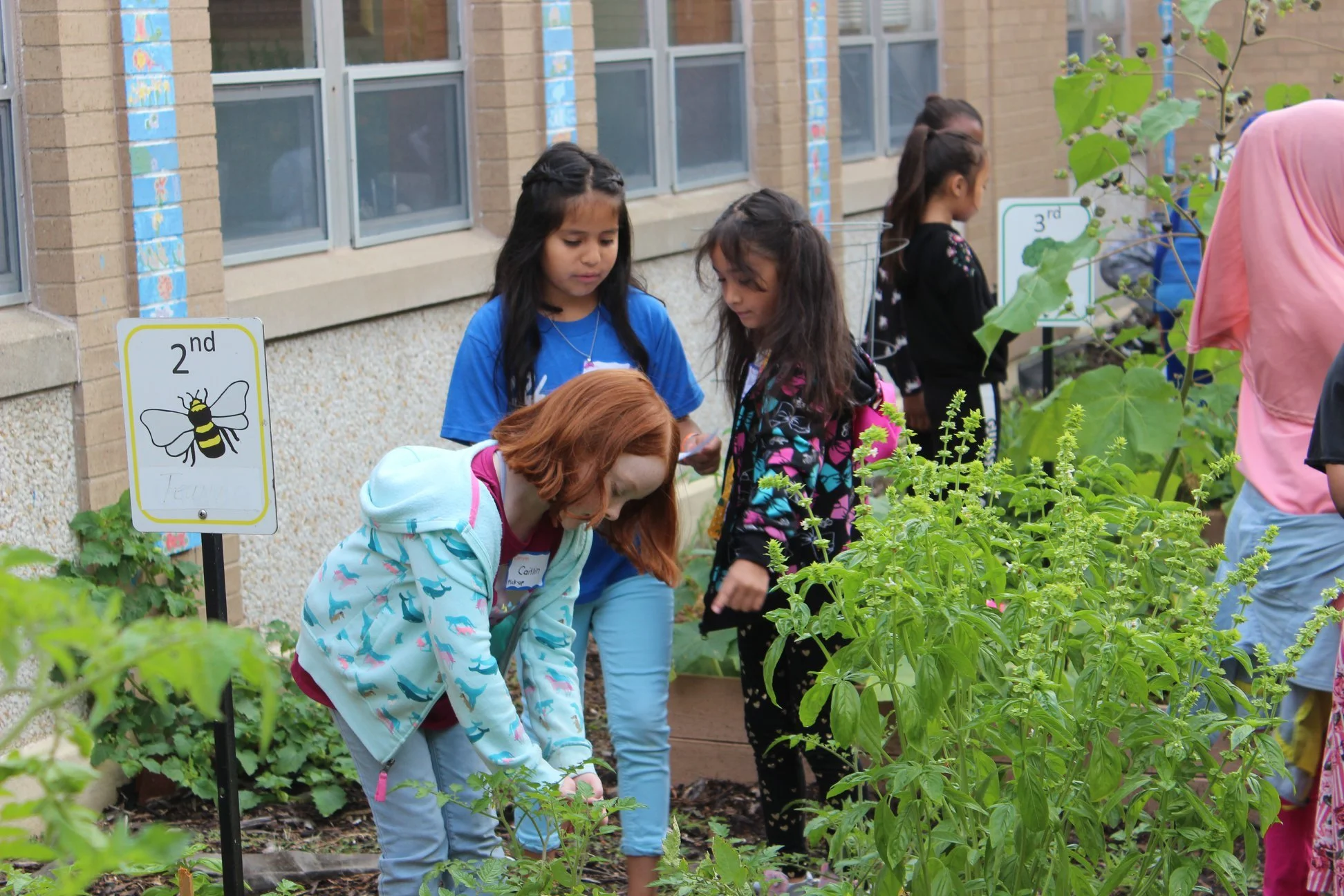
The National Wildlife Federation has recognized North Park School for Innovation as a Certified Schoolyard Habitat through its Garden for Wildlife program. Certification also makes the North Park School for Innovation a Certified Wildlife Habitat through the Million Pollinator Garden Challenge, a national effort to restore critical habitat for pollinators.
A need to improve stormwater drainage led designers to use parking lot islands and retention basins to capture and treat runoff, rather than building traditional underground stormwater systems. Additionally, stormwater runoff from the building roof was directed to stormwater basins at restored native green areas.